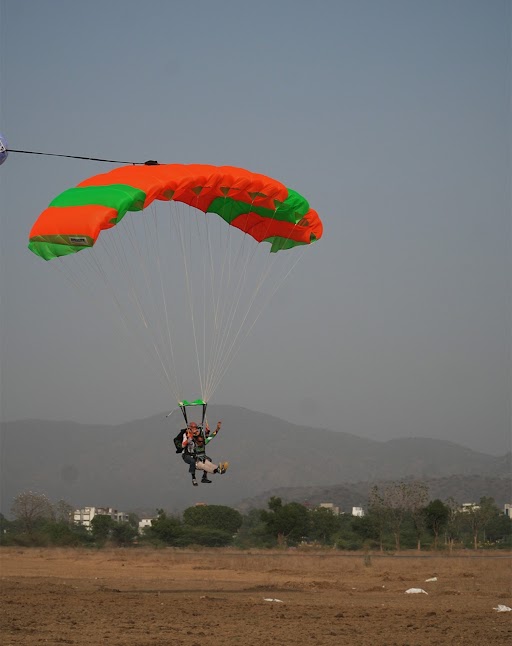
Skydiving in Thailand is often considered by Indian travellers who are already planning a Bangkok or Pattaya holiday. Thailand has an established tourism market, good international flight connectivity from India and commercial tandem skydiving near Pattaya. For travellers whose main goal is the jump, however, it is useful to compare the full Thailand trip with the option of skydiving in India.
The comparison should remain practical. Thailand offers a higher-altitude commercial tandem product at a destination many Indians already visit for holidays. India can offer a shorter domestic travel plan for people who want the skydive without adding an international holiday. Both can be valid choices depending on the traveller’s priorities.
Skydiving in Thailand Near Pattaya
The official Thai Sky Adventures tandem page currently advertises tandem skydiving from up to 13,000 feet with freefall of up to around 60 seconds. The operator is based in the Pattaya/Sriracha region and offers transport options from Pattaya and Bangkok, which can make the activity easier to add to an existing Thailand itinerary.
Current official package pricing lists a basic tandem jump from THB 9,450, with higher-priced options including video and photos. As with any international activity, travellers should check the live website before booking because prices, surcharges and package inclusions can change.
Skydiving in India Near Abu Road
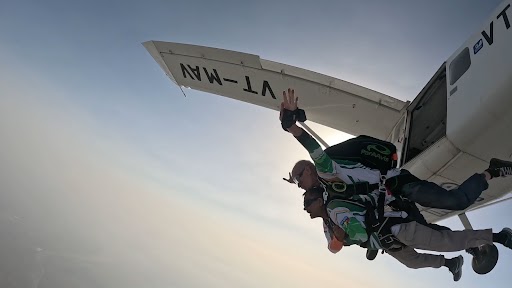
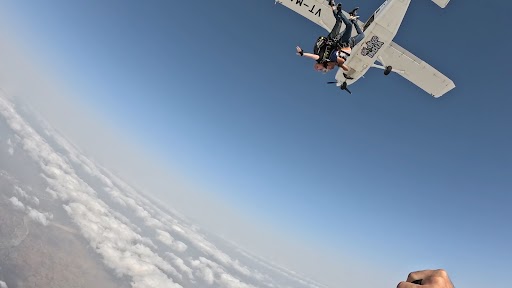
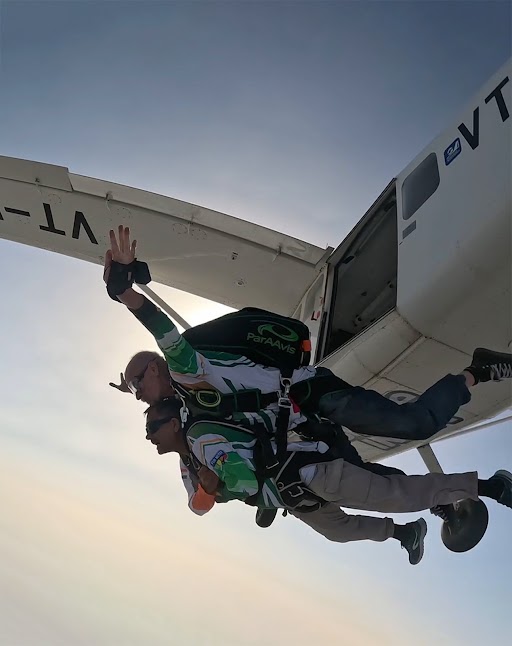
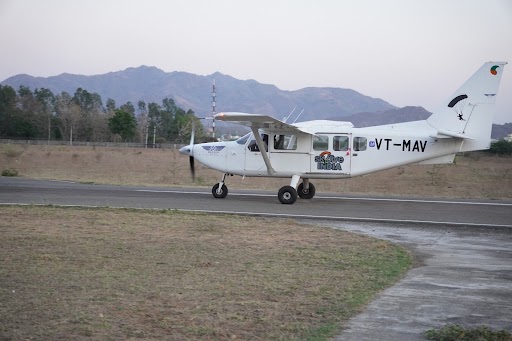
In India, Skydive India operates tandem skydiving near Abu Road in Rajasthan. The current package is based on a 10,000-foot jump with approximately 30 seconds of freefall. The location is close to the Mount Abu region and can be combined with a Udaipur or southern Rajasthan trip.
The tandem skydiving page currently lists a ₹29,999 plus GST handcam package and a ₹39,999 plus GST outside-cameraman package, with ₹5,000 required for booking and the balance on jump day. These package details should also be reconfirmed before final travel planning.
The Biggest Difference Is the Overall Travel Plan
A traveller already visiting Bangkok or Pattaya may find Skydiving in Thailand easy to include because the international flight and hotel are already part of the holiday. The skydive becomes an additional activity. For someone travelling only to skydive, the full cost includes flights from India, accommodation, local transfers, food and extra holiday days.
A domestic jump can reduce those travel requirements. The Skydive India drop zone can be reached as part of a Rajasthan or Gujarat road trip. Travellers from Ahmedabad, Udaipur and nearby regions may find this significantly simpler than planning an international itinerary only for a tandem jump.
Altitude and Freefall Are Different
Thai Sky Adventures currently promotes a jump from up to 13,000 feet with up to around one minute of freefall. Skydive India currently offers a 10,000-foot tandem with around 30 seconds of freefall. For travellers who specifically want a longer freefall, this is an important point to consider.
However, first-time skydivers should also compare the full experience. Briefing, instructor support, aircraft ride, parachute glide, media, location, travel convenience and weather flexibility all contribute to the final value. A longer freefall is one feature, not the complete decision.
Media Packages Should Be Compared Carefully
Skydiving photos and videos are important for many first-time jumpers, but operators package media differently. Thai Sky Adventures offers separate tandem, video, photo and deluxe options. Skydive India currently offers handcam and outside-cameraman packages. The prices should therefore not be compared without checking what is included.
A lower basic jump price may not include the media a traveller wants. Before booking, compare the final package after adding video, photographs, transport and any other required costs. This gives a more realistic comparison than looking only at the entry-level price.
Travel Time Around the Drop Zone Matters
Thailand travellers need to consider where they are staying. Pattaya is closer to the Thai Sky Adventures operation than central Bangkok, although the operator currently offers shuttle services. A Bangkok-based traveller should allow enough time for pickup, road travel, jump operations and the return journey.
For India, Abu Road can be combined with Mount Abu and Udaipur. The How to Reach Skydive India page provides travel guidance for the drop zone. Instead of treating Abu Road as a stand-alone destination, visitors can make it one part of a Rajasthan itinerary.
Weather Can Change the Schedule
Skydiving operations depend on suitable weather in both countries. Travellers should avoid placing the jump at the very end of a holiday. In Thailand, it is better to keep enough time in the itinerary in case the activity needs to move. The same approach applies in India, where Skydive India states that unsuitable weather can lead to rescheduling.
This is especially important in September because seasonal weather can still influence outdoor and aviation activities in different parts of Asia. The safest travel-planning approach is to book the activity in advance and keep flexibility around the jump day.
September Travel Needs Some Extra Flexibility
For a September trip, travellers should keep seasonal weather in mind in both countries and avoid a schedule with no spare time. A skydiving day should ideally sit earlier or in the middle of the holiday rather than immediately before the return flight. This gives more room if weather or operations require a change. The same principle is useful whether the traveller chooses Pattaya in Thailand or Abu Road in India.
Eligibility and First-Time Jumper Planning
First-time jumpers should check age, weight, health and document requirements before paying for flights or accommodation. Operators do not always use the same limits. Thai Sky Adventures publishes its own participant requirements and booking process, while Skydive India currently lists a minimum age of 12, guardian consent for minors and a maximum permitted weight of 113 kg with additional charges in higher weight bands.
These rules can change, so the latest operator page should always be checked. Travellers should also arrive with the required identification, wear suitable clothing and avoid alcohol before the jump. Understanding these basics before the holiday reduces last-minute problems at the drop zone.
Who Should Choose Thailand and Who Should Choose India?
Skydiving in Thailand is a strong choice when Thailand is already the holiday destination, the traveller wants the 13,000-foot product and the Pattaya/Bangkok route fits the overall plan. It can also suit travellers who want to combine skydiving with beaches, nightlife and a broader international holiday.
Skydiving in India can make more sense when the main goal is the skydive itself, when domestic travel is easier, or when Rajasthan and Gujarat are already part of the trip. It also allows travellers to combine Udaipur, Mount Abu and Abu Road in one regional itinerary instead of organising passports, international flights and foreign accommodation for the jump.
Compare the Experience You Want, Not Only the Destination Name
Both Thailand and India can give first-time jumpers a professionally guided tandem experience. The better choice depends on travel goals, total budget, altitude preference, media needs and how much time is available. A person already going to Thailand may find the overseas option convenient. A person in India who mainly wants to skydive may prefer the domestic route.
Use official operator websites for current pricing and eligibility information. For India, review the Skydive India tandem page and travel guide before booking accommodation. For Thailand, confirm the live Thai Sky Adventures package and shuttle information. This keeps the decision based on current facts and helps avoid unnecessary travel costs or timing problems.