There are some weekends that are easy to forget.
You leave Ahmedabad on Saturday morning, stop somewhere for breakfast, check into a hotel, take a few photos, eat well and return home by Sunday night.
Nothing wrong with that.
But once you have done enough weekend trips, you start looking for something that gives the journey a reason.
Not just a destination.
Not just another stay.
A reason to remember exactly what happened.
For some people, that reason could be a skydive.
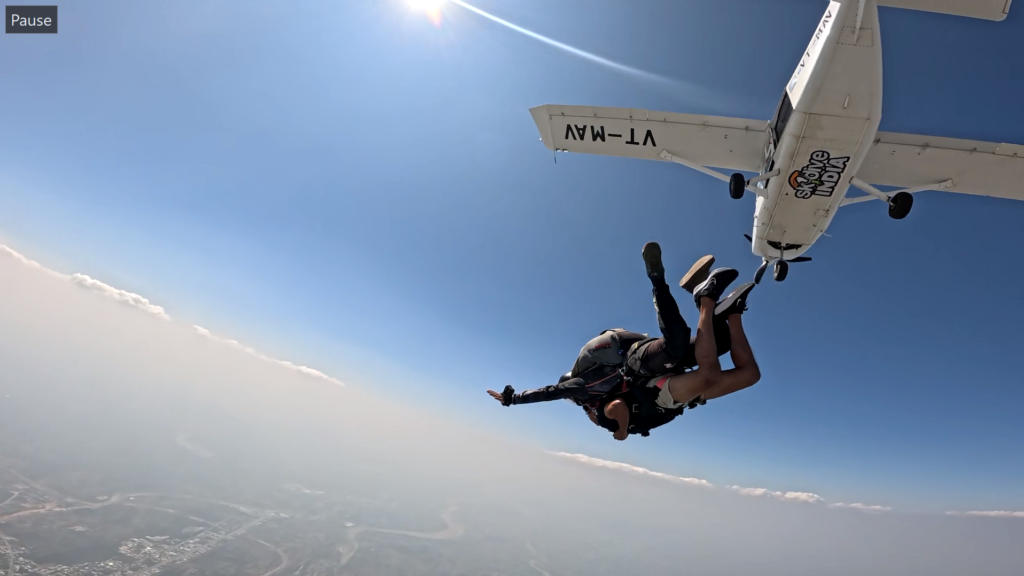
A few hours away from Ahmedabad, near Abu Road in Rajasthan, there is an airstrip where people arrive with one plan in mind. They are going to board an aircraft, climb to around 10,000 feet and leave that aircraft with a tandem instructor.
That is a very different way to spend a weekend.
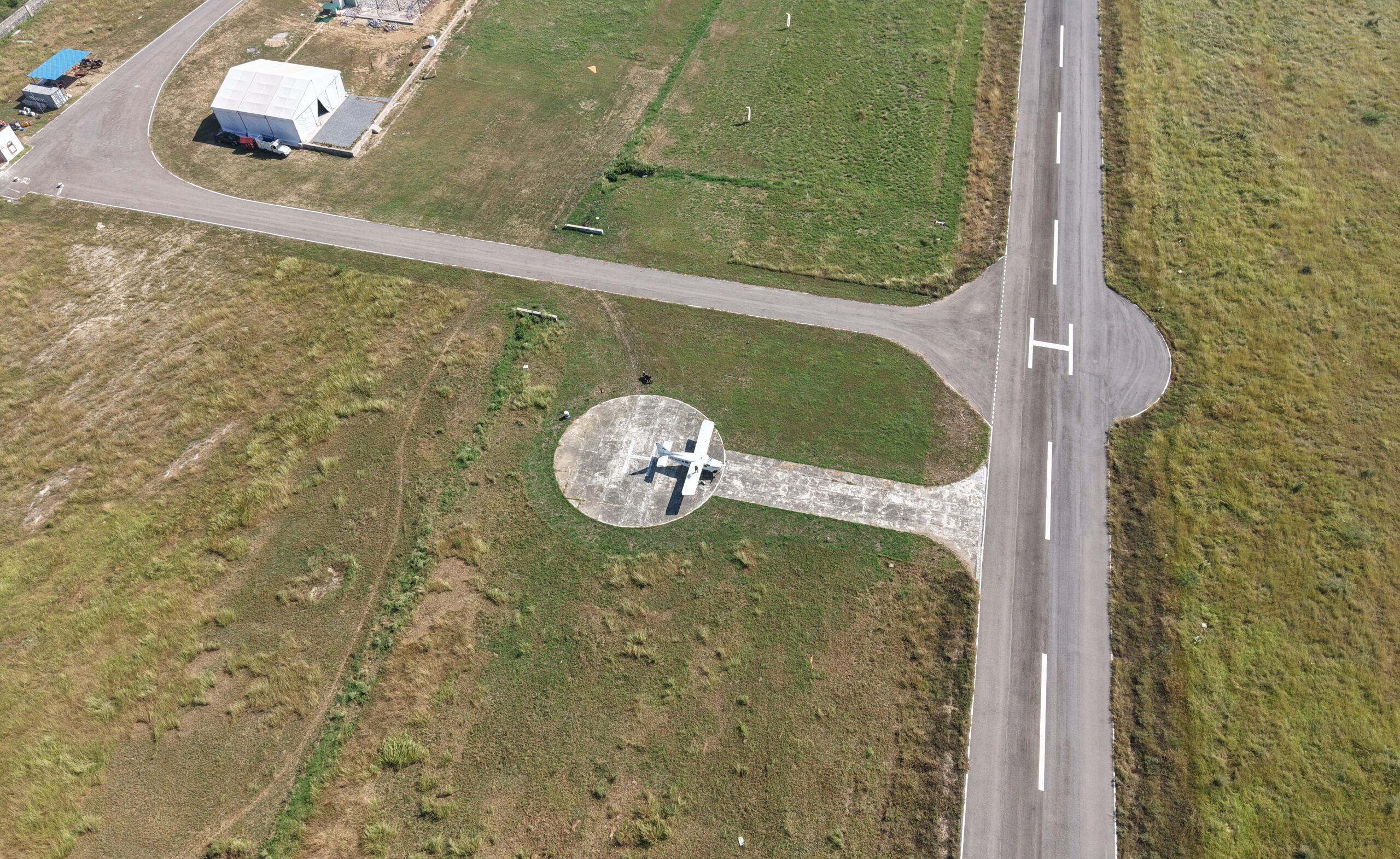
For someone searching online for skydiving near Ahmedabad, the first thing to understand is that the jump does not happen inside Ahmedabad. Skydive India operates from Manpur Airstrip near Abu Road, close to the Mount Abu region. The location works well for people travelling from Gujarat because Abu Road is already a familiar route for anyone who has travelled towards Mount Abu.
The drive itself becomes part of the anticipation.
At the beginning, everything feels normal. City roads, fuel stops, music in the car, conversations with friends. The idea of skydiving is still something that exists inside a booking confirmation.
As the road gets quieter and the landscape begins changing, the jump starts feeling more real.
Somebody will probably say they are not scared.
Somebody else will start asking unnecessary questions.
Another person will watch skydiving videos throughout the journey and make everyone else more nervous.
By the time you reach the airstrip, the jokes usually reduce.
The aircraft has a way of doing that.
Manpur Airstrip does not feel like a tourist attraction designed around decoration. It feels like what it is, an aviation environment. There is an aircraft, there are instructors, there is skydiving equipment and there are people preparing for real jumps.
That difference matters.
Skydiving is not something where you buy a ticket, sit down and wait for a machine to move you around for two minutes. The entire experience is built around aviation, weather, equipment, instructors and a carefully managed sequence of operations.
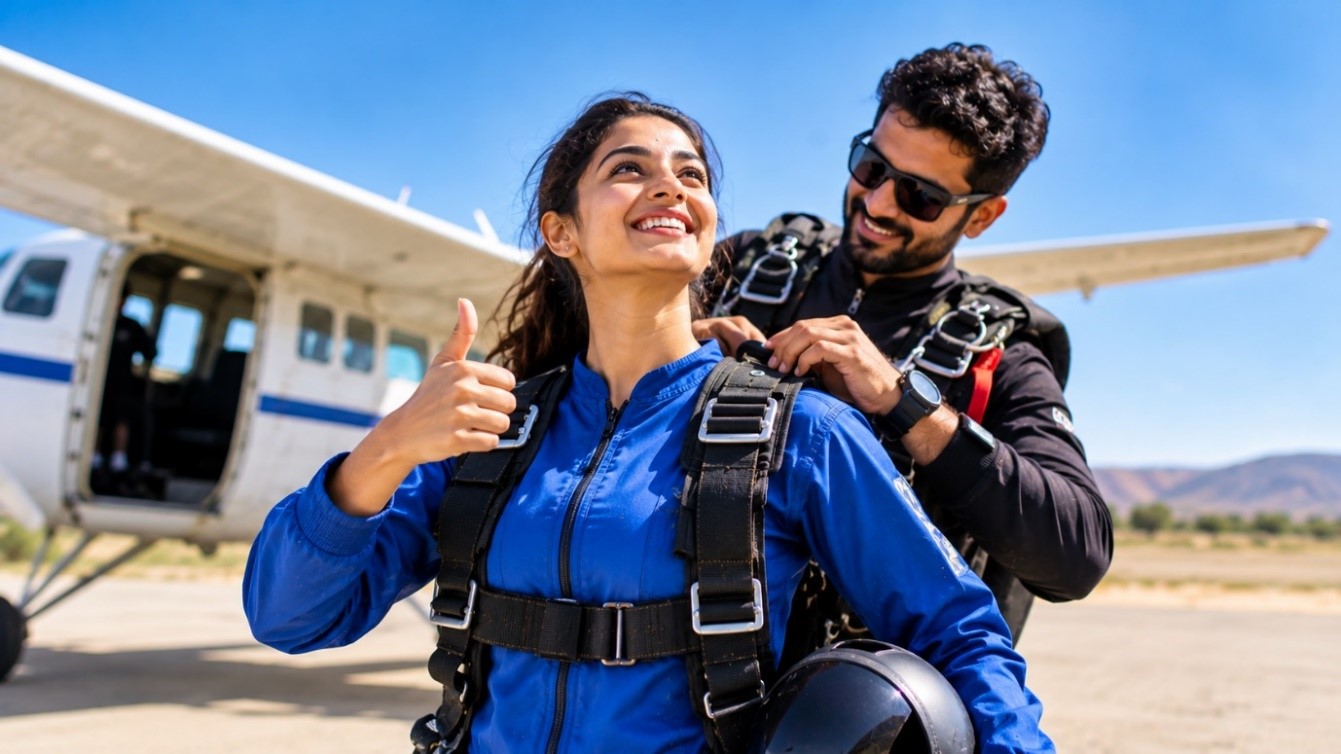
When you arrive, there is a check-in process. Your information is verified. The jump is explained. You are introduced to the basic body position required during exit and landing. Then the harness comes on.
That is usually when the weekend stops feeling ordinary.
A harness has a strange psychological effect.
You can talk about skydiving for months without feeling much. You can make the payment without feeling much. You can even drive all the way from Ahmedabad without fully processing what is about to happen.
But once the equipment is fitted, your brain finally understands that the activity is no longer somewhere in the future.
You are doing it.
The next step is the aircraft.
Skydive India uses a GA8 Airvan for jump operations. It is a very different environment from a commercial flight. You are not boarding to reach another city. You are boarding because at some point during the flight, the door will open and you will leave.
That thought stays with you during the climb.
At lower altitude, everything still looks familiar. Roads, buildings and fields are easy to understand.
Then the aircraft keeps climbing.
The details below begin to merge.
The horizon looks wider.
The airstrip becomes a small shape in the landscape.
The Mount Abu and Aravalli region begins to look completely different from above.
For many first-time jumpers, the climb is where the nerves become strongest. Freefall has not started yet, so the mind has too much time to think.
Then comes the moment every skydiver remembers.
The door opens.
The air inside the aircraft changes immediately. The sound changes. The view changes. The feeling changes.
There is no longer a glass window between you and the sky.
Your tandem instructor prepares for exit.
And then you leave.
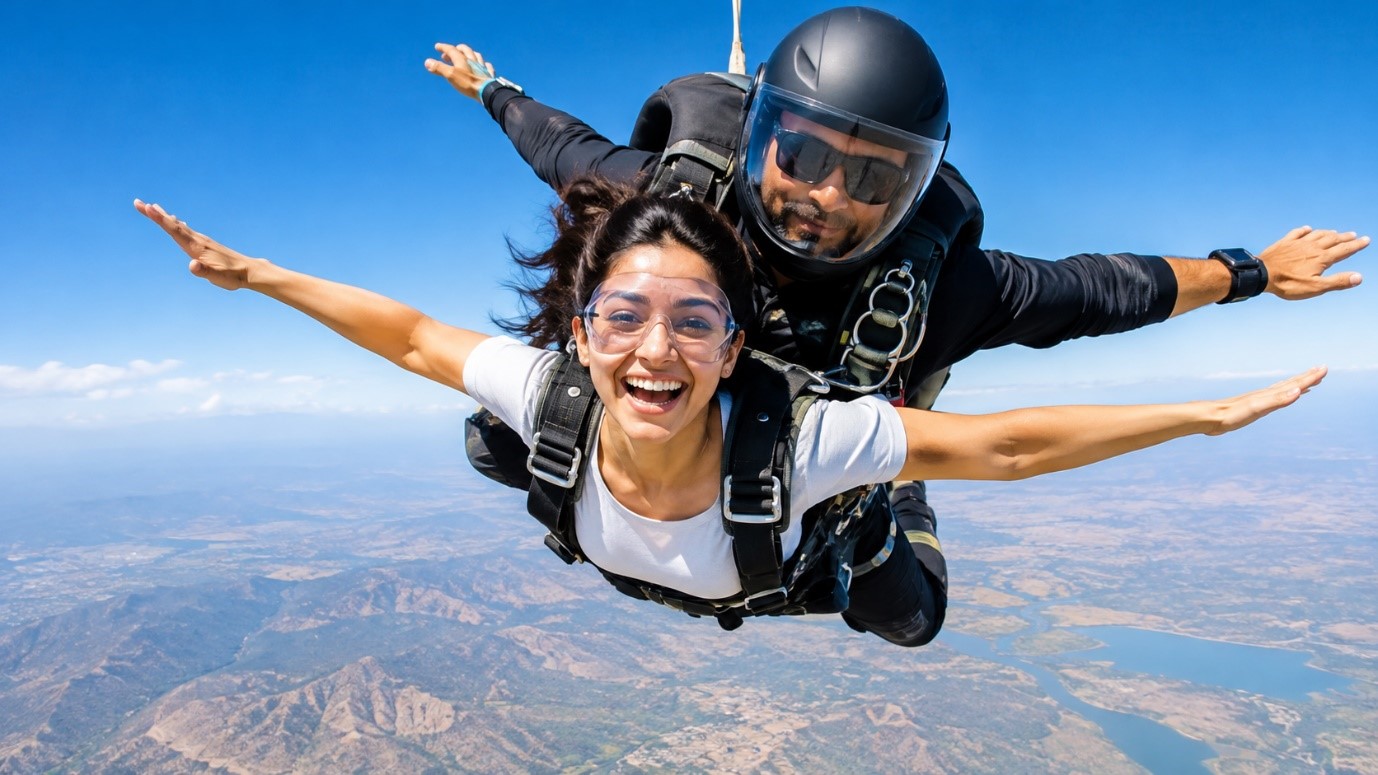
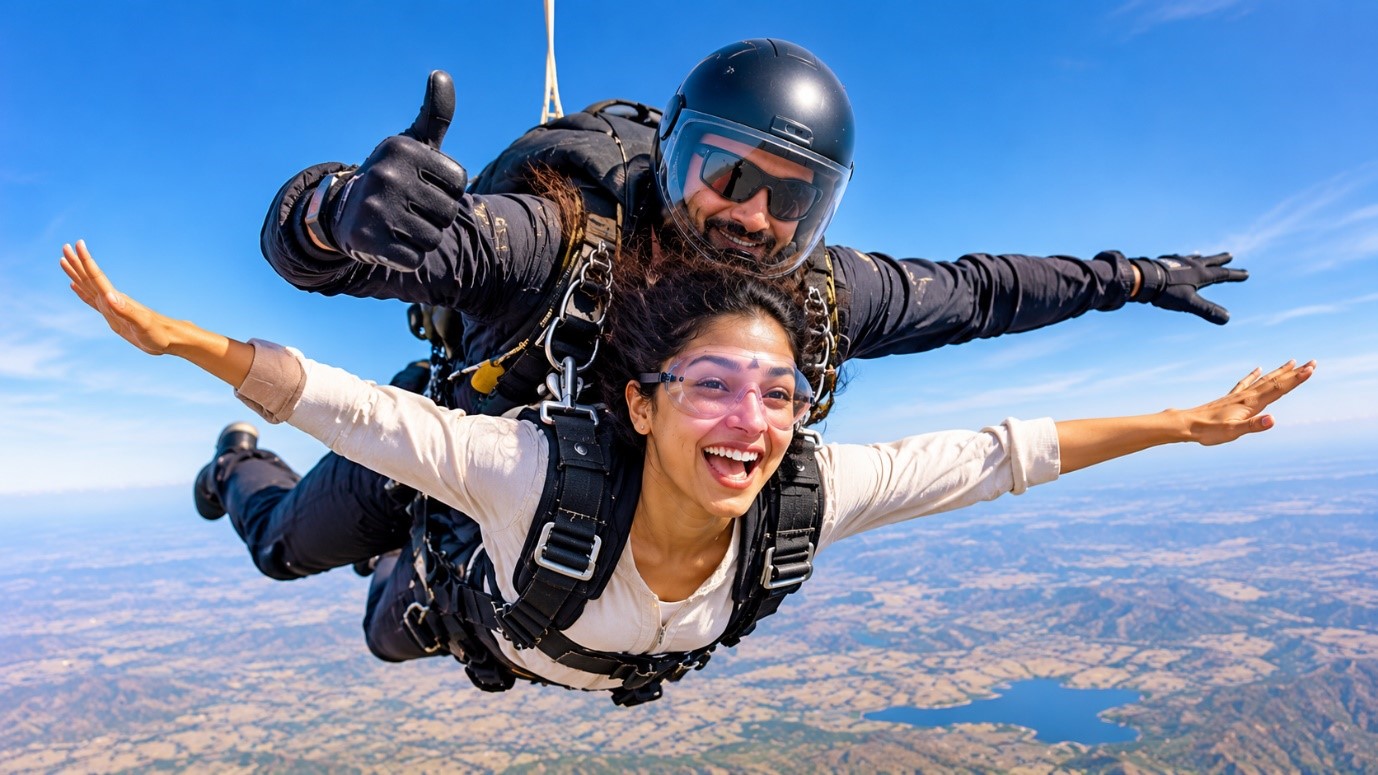
At around 10,000 feet, the freefall lasts roughly 30 seconds. The speed can reach approximately 200 km/h.
Thirty seconds sounds short when written on a website.
It does not feel short when the aircraft is suddenly behind you and the entire world is below.
The sensation is also different from what many people expect.
People often imagine the feeling of a roller coaster, where the stomach drops sharply.
Freefall has its own character.
There is a very strong flow of air around your body. You are moving extremely fast, but the environment feels huge. The ground is not rushing towards you in the way your imagination may have suggested.
Then the parachute opens.
Everything changes again.
The noise reduces.
The speed feels different.
The entire experience suddenly becomes calmer.
Now you can properly look around.
The same landscape that you drove through only a few hours earlier is beneath you.
The contrast between the two parts of the jump is what surprises many first-time participants.
People book skydiving because of freefall, but the parachute ride often becomes one of the most beautiful parts of the memory.
Eventually, you return to the airstrip.
The entire experience may have lasted only a small part of the day, but the story will probably dominate the rest of your weekend.
This is also why skydiving works so well as part of a Mount Abu trip.
After the jump, you can slow everything down.
Drive towards Mount Abu.
Check into a hotel.
Sit somewhere with your friends and watch your jump video repeatedly.
The person who looked terrified before takeoff suddenly becomes the person explaining to everyone else how amazing freefall felt.
That is how quickly the fear changes into a story.
For Ahmedabad travellers, the location is practical because the jump can be combined with a road trip rather than treated as an isolated adventure. You can check the route and travel options through the official How to Reach Skydive India page.
If you are planning specifically for the jump, keep your schedule flexible.
This part is important.
Skydiving depends on suitable weather and aviation conditions. A sunny sky does not automatically mean everything is perfect for jumping. Wind, cloud, visibility and other operational factors matter.
So do not make the mistake of planning the jump at one exact hour and booking another fixed commitment immediately afterwards.
Give the experience space.
If you are travelling from Ahmedabad, it is better to treat skydiving as the main event of the day rather than one small item squeezed between other plans.
The same approach should be used when choosing a package.
Skydive India offers a tandem jump with handcam footage as well as an outside cameraman option. The handcam captures the jump from close to the tandem pair, while the outside cameraman creates a wider perspective because another skydiver jumps alongside you.
Neither option changes the basic fact that you are jumping from around 10,000 feet.
The difference is how you want to remember it later.
You can review the current packages on the official Tandem Skydiving page.
The interesting thing about skydiving is that people rarely describe it as just another activity.
They remember very specific pieces.
The walk towards the aircraft.
The engine.
The climb.
The door.
The first moment outside.
The parachute opening.
The landing.
Those memories stay separate and clear because each stage feels completely different.
That is what makes the drive from Ahmedabad worth considering.
You are not travelling only to reach an airstrip.
You are travelling to experience a sequence of moments you cannot recreate on the ground.
And when you drive back towards Ahmedabad after the weekend, the road will be exactly the same.
You will not be.