Your First Skydive Begins Long Before the Aircraft Door Opens
The most dramatic image of skydiving is obvious. A person is at the aircraft door, thousands of feet above the ground, looking into an enormous open sky.
But your first time skydiving in India does not begin there.
It begins at the drop zone.
Before you hear the aircraft engine, before you put on a harness and long before you experience freefall, there is an organised process that prepares you for what is about to happen.
For a first-time jumper, understanding that process can make the experience much easier to imagine.
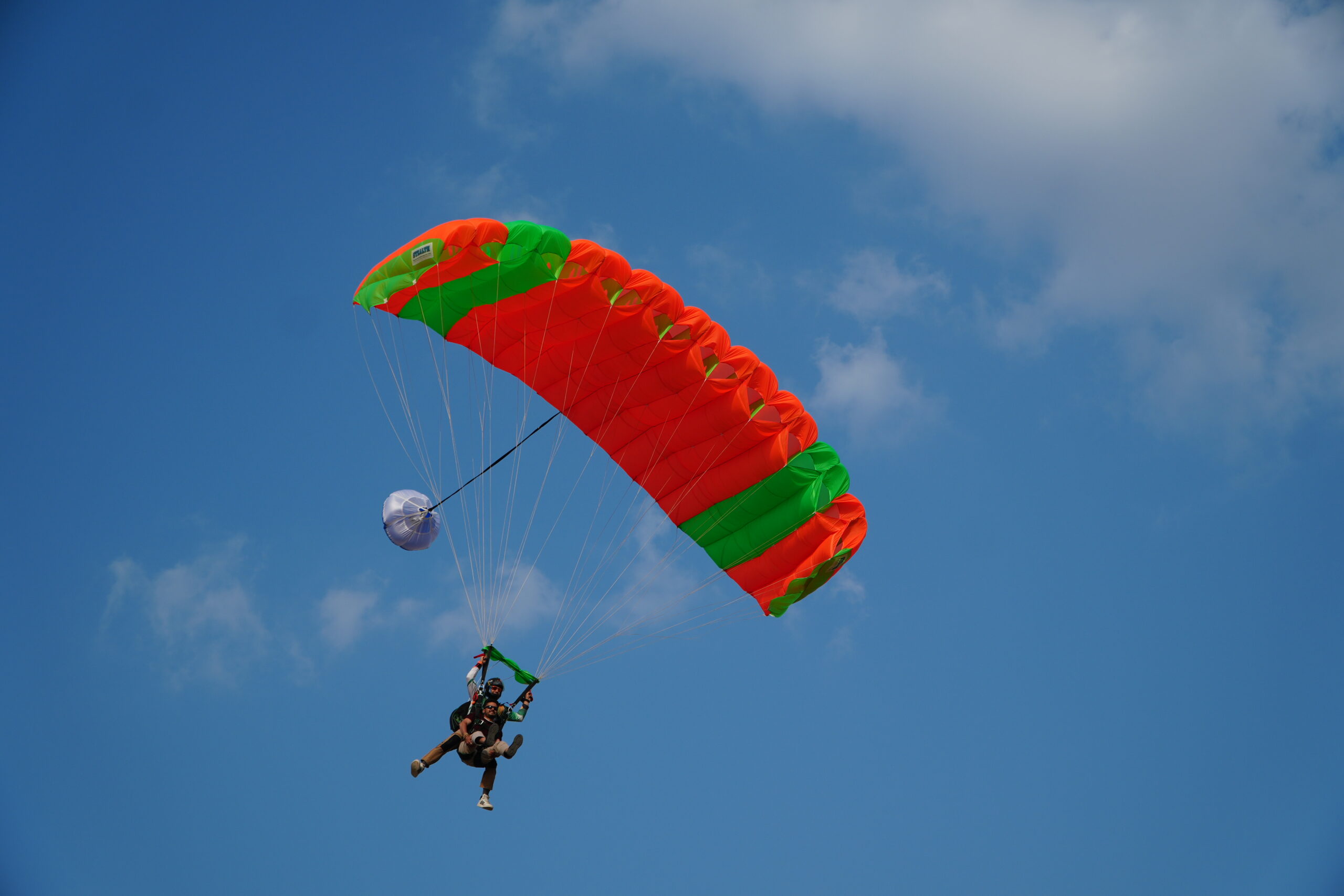
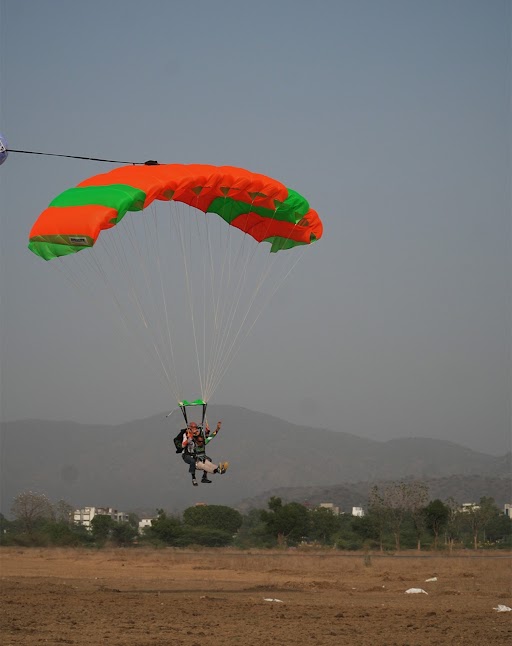
At Skydive India, the tandem experience takes place at Manpur Airstrip near Abu Road in Rajasthan. The location sits in the Mount Abu region, with the Aravalli landscape surrounding the drop zone.
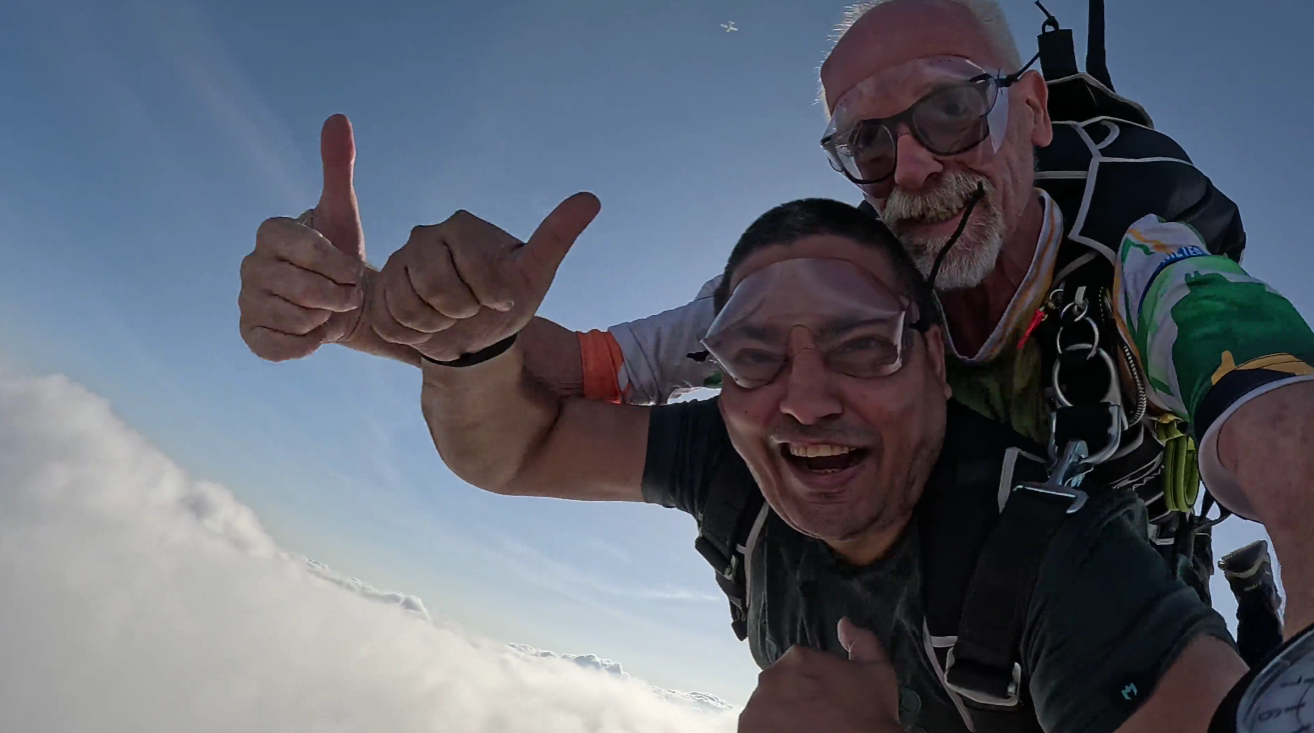
A tandem jump is designed specifically so that someone without previous skydiving experience can experience real freefall while connected to a professional tandem instructor rig.
That means you are not expected to arrive knowing how to skydive.
You are expected to arrive ready to listen.
Arriving at Manpur Airstrip
An active skydiving drop zone feels different from a normal tourist attraction.
There is an airstrip, an aircraft, equipment preparation areas, instructors, pilots, ground staff and spaces where jumpers prepare for their turn.
When you arrive, the first stage is administrative.
Your booking is checked, your identification and required documentation are reviewed, and the operational team confirms the information needed for your jump.
Weight is also relevant because tandem equipment and aviation operations function within defined limits. Skydive India currently permits participants up to 113 kg, with additional charges applicable within specific higher-weight categories.
Once the initial process is complete, attention moves from paperwork to preparation.
The Briefing Is Short, but Important
Tandem skydiving does not require the extensive training associated with learning to skydive independently.
That does not mean there is nothing to learn.
Your instructor explains what will happen during boarding, the aircraft climb, the exit, freefall and landing. One of the most important aspects is maintaining the correct body position while staying relaxed.
During a tandem exit and freefall, the instructor manages the technical aspects of the jump, but the participant still needs to cooperate with basic instructions.
You may practise the required position on the ground before ever approaching the aircraft.
This is also the right time to ask questions.
When something is unclear, ask while your feet are still on the ground.
The official Skydive India FAQ is also useful to read before travelling.
Putting on a Skydiving Harness Changes the Mood
Until the harness goes on, a skydive can still feel like an idea.
Once you are geared up, it becomes real.
The tandem harness is the system through which the participant is securely connected to the instructor rig during the jump. Equipment is fitted and checked as part of the preparation process.
This stage usually creates a strange mixture of emotions for a first-time skydiver.
Excitement increases because the activity is getting closer.
Nervousness can increase for exactly the same reason.
That is normal.
You do not need to eliminate every nervous feeling before boarding. Your responsibility is to listen carefully and follow the instructions given by the team and enjoy !.
Walking Toward the Aircraft
The aircraft is one of the most important elements of a real skydiving operation, even though customers often focus almost entirely on the parachute.
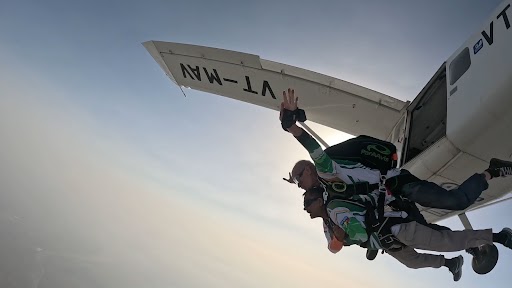
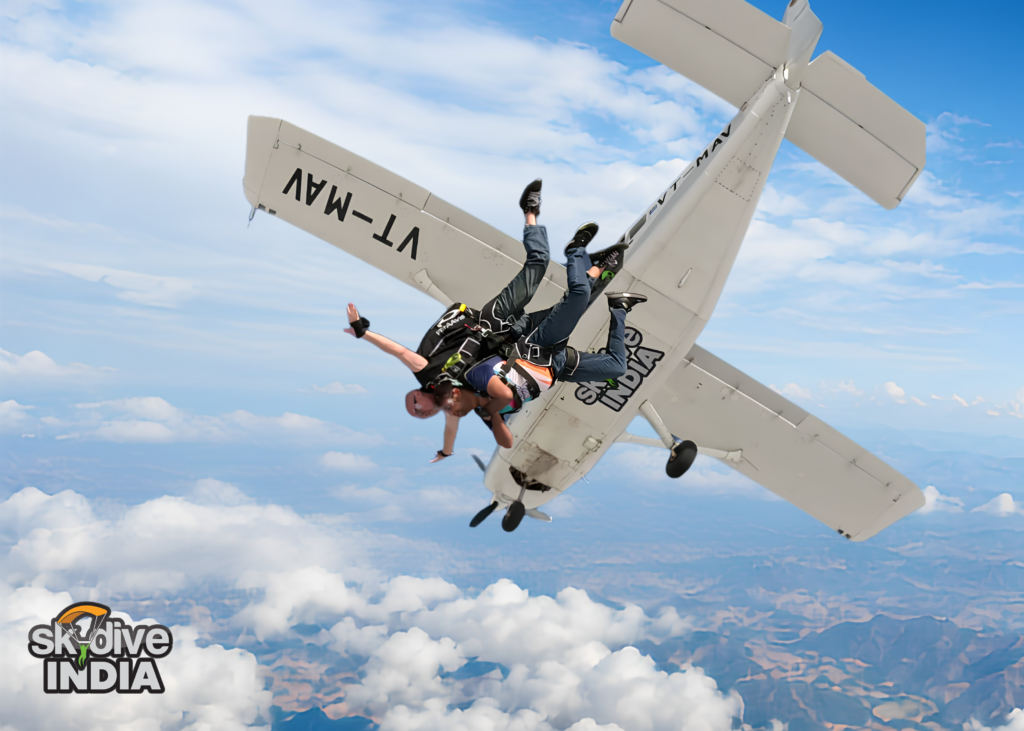
Skydive India uses a GippsAero GA8 Airvan for skydiving operations.
After boarding, the aircraft begins climbing toward jump altitude.
This part of the experience gives you time to process what is happening.
At lower altitude, roads, fields and familiar features are still easy to recognise. As the climb continues, individual details gradually merge into a much larger landscape.
The view becomes wider.
The airstrip becomes smaller.
Mountains and open terrain begin to look completely different from above.
Meanwhile, you are getting closer to approximately 10,000 feet.
Why the Aircraft Ride Can Feel More Intense Than Expected
People often assume the freefall will be the only nerve-racking part.
For many first-time jumpers, the climb creates more anticipation than freefall itself.
During the ascent you have time to think.
You know exactly why you are in the aircraft.
You know the door will eventually open.
You can feel altitude increasing while your mind tries to picture something it has probably never experienced before.
That anticipation is part of skydiving.
An experienced tandem instructor, however, is working through a familiar operational sequence. Equipment, connection, communication and exit preparation are handled systematically.
Your job remains comparatively simple.
Listen.
Position yourself as instructed.
And when the moment arrives, go with the instructor.
The Door Opens at Altitude
There is a psychological difference between looking through an aircraft window and seeing the aircraft door open.
The landscape no longer feels like a photograph below you.
There is simply open air between you and the ground.
At this point the instructor completes the required preparation and positions the tandem pair for exit.
This is the moment most people imagine when they say they are afraid of skydiving.
Interestingly