What is Tandem Skydiving?
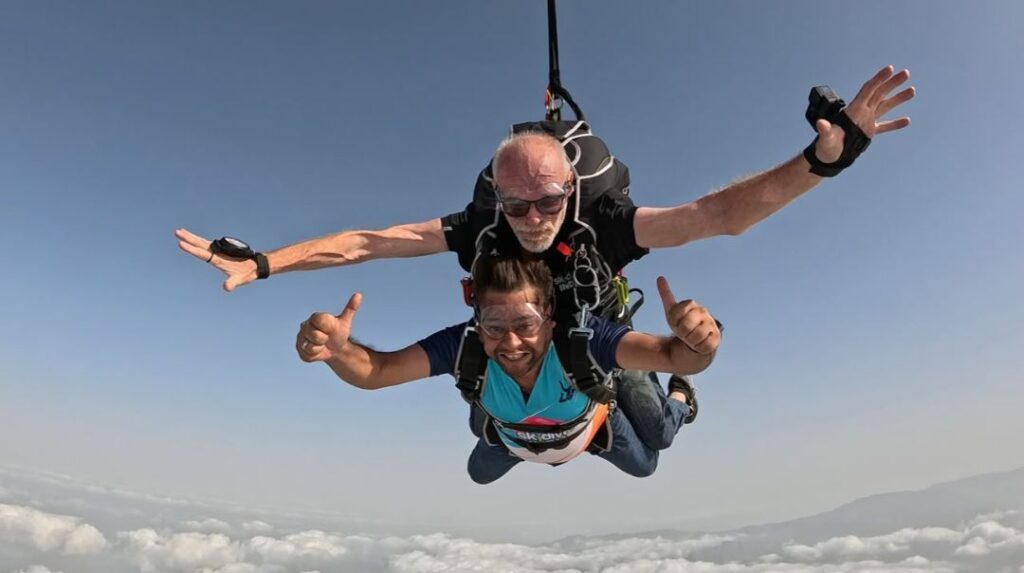
Tandem skydiving is the easiest and safest way of skydiving to experience this sport. In a tandem jump, you are securely harnessed to a licensed professional instructor who manages the entire skydive, including the aircraft exit, freefall, parachute deployment, and landing.
Before the jump, you receive a short ground briefing covering safety procedures, body positioning and what to expect during the experience. Once in the air, you and your instructor jump together and freefall for around 30-60 seconds, depending on the jump altitude. At a safe height, the instructor deploys the parachute, and you glide down for a controlled landing at the drop zone.
Tandem skydiving requires no prior experience, no license, and minimal training, which is why it is the most popular option for first-time jumpers.
Everything You Need to Know Before You Jump
Your first skydive is a mix of excitement, nervousness, and adrenaline. Most people feel anxious before the jump, especially during takeoff and the flight to altitude, but those nerves usually settle once the experience begins. By the time you reach the aircraft door, your focus shifts from overthinking to simply following your instructor’s guidance and enjoying the moment.
If you feel nervous before your jump, that’s completely normal. Almost every first-time skydiver feels the same way. In this guide, you’ll learn what to expect throughout the experience, from arriving at the drop zone and attending the safety briefing to freefall, parachute flight, and landing.
The Moment You Decide to Jump
Skydiving is on many people’s bucket lists because it offers an experience unlike anything else. The idea of jumping from an aircraft at around 10,000 feet can feel intimidating at first specially for first-time jumpers. Despite that, thousands of people across India try skydiving every year with tandem jumps making the experience accessible even for beginners with no prior training.
Fear vs. Excitement: Your Brain Doesn’t Know the Difference
Research on emotional reappraisal shows that people often perform better and enjoy challenging experiences more when they view their emotions as excitement rather than fear. In situations like skydiving, it’s normal to feel both nervous and excited at the same time. The difference is in how you interpret those feelings. Seeing the experience as exciting can help you stay confident, focused, and ready to take the jump.
What Actually Happens on the Day of Your Skydive?
Arrival & Ground Training
Once you arrive at the drop zone, you complete the registration and safety paperwork before meeting your certified tandem instructor. They explain the basic information for exit, freefall, and landing, along with important safety procedures. The briefing is short, simple, and designed for first-time jumpers with no prior experience.
The Plane Ride Up
After boarding the aircraft, the plane gradually climbs to the jump altitude. As the ground gets farther away, most first-time jumpers start feeling a mix of excitement and nervousness. At around 10,000 feet, you get wide aerial views of the surrounding landscape, including the Aravalli hills.
The Door Opens
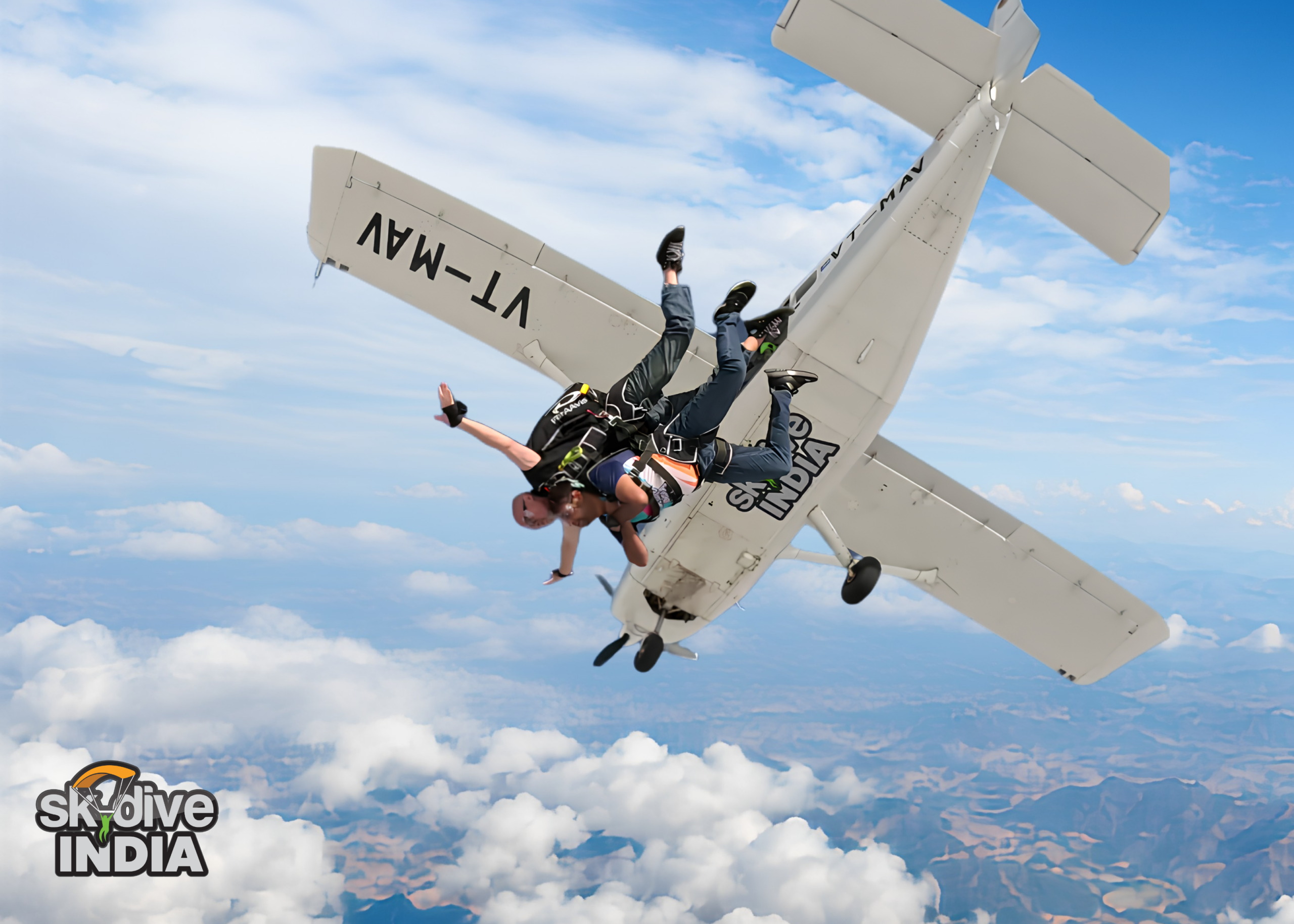
Once the aircraft reaches the required altitude, the door opens and jumpers begin exiting one by one. Your instructor guides you into position and handles the timing and exit procedure, so you only need to follow their instructions.
Freefall (30–60 Seconds)
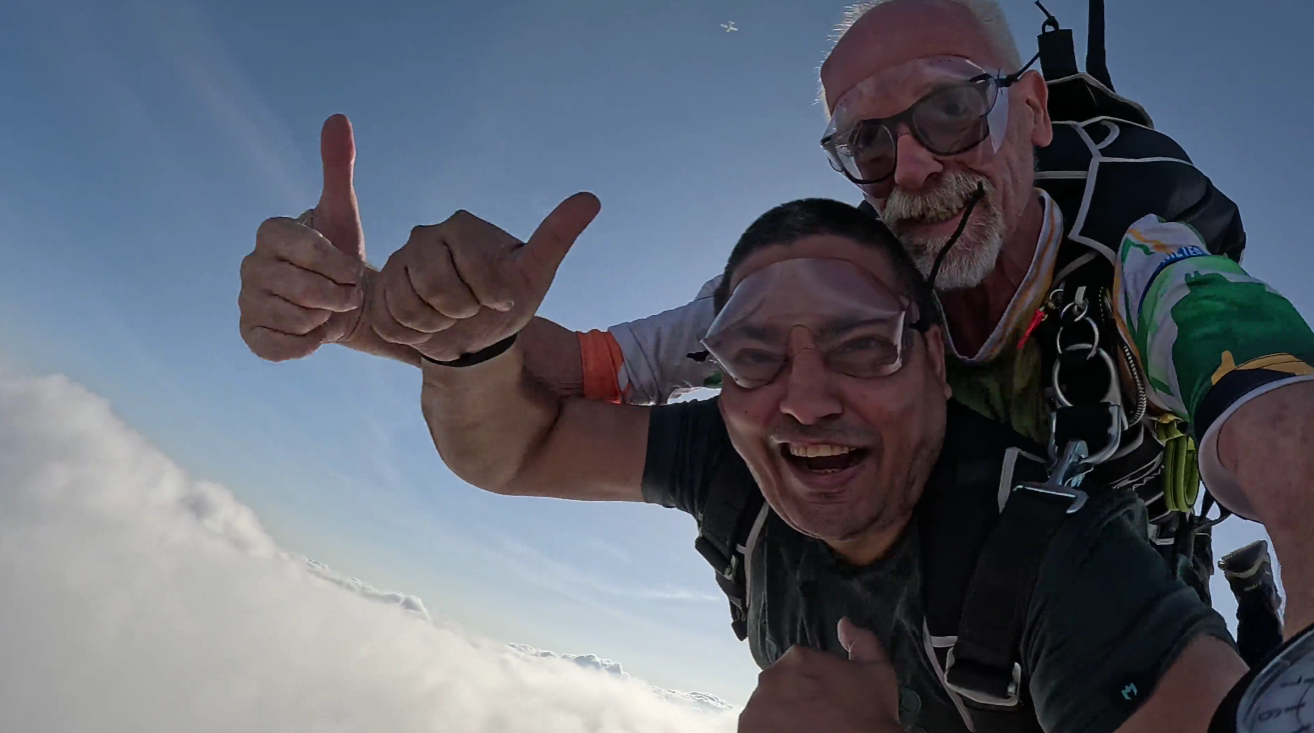
After leaving the aircraft, you experience freefall at speeds of around 190 km/h. The sensation feels intense, fast, and unlike anything experienced on the ground. During this phase, your instructor remains in full control of the skydive while you focus on enjoying the experience.
Canopy Ride
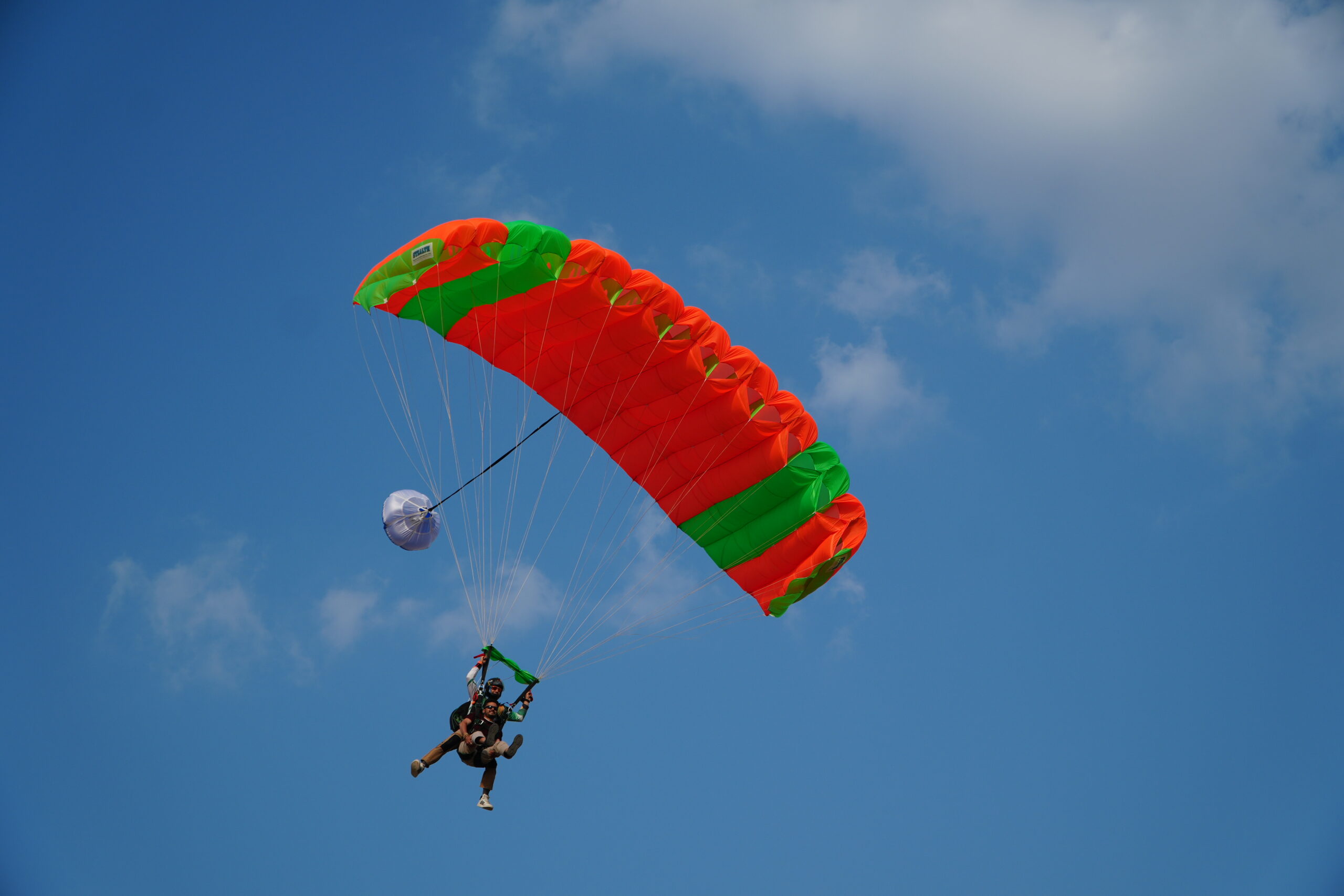
At a safe altitude, the instructor deploys the parachute, and the experience changes completely. The fast-paced freefall is replaced by a calm and controlled canopy ride. You glide smoothly through the air while taking in panoramic views from above.
Landing & After
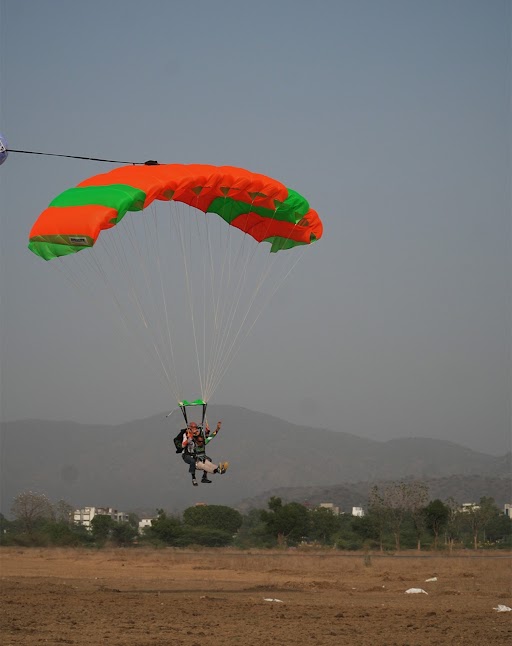
As you approach the drop zone, your instructor guides the parachute in for landing. After landing, most people feel a mix of relief, excitement, and accomplishment. For many first-time skydivers, the experience quickly becomes something they want to do again.
What Does Freefall Actually Feel Like?
Does Skydiving Feel Like a Stomach Drop?
Not in the way most people expect. Unlike a rollercoaster, skydiving usually does not create a strong “stomach drop” sensation because you exit the aircraft while already moving at the plane’s speed. Instead of feeling like you are suddenly dropping, freefall feels more like strong wind pressure and fast movement through open air.
Can You Breathe During Freefall?
Yes, you can breathe normally during freefall. The wind speed is high, usually around 190-200 km/h, so the airflow feels intense at first, but it does not stop you from breathing. Most first-time jumpers adjust within a few seconds and quickly become comfortable with the sensation.
What Does Your Body Feel at 190 km/h?
During freefall, you feel strong wind resistance across your body and face, along with a powerful rush of adrenaline. The experience feels fast and intense at first, but many people are surprised by how stable freefall becomes after a few seconds. A tandem freefall from around 10,000 feet typically lasts 30-45 seconds before the parachute is deployed.
The Parachute Opens and Everything Changes
At around 5,000-6,000 feet, your instructor deploys the main parachute. There’s a gentle tug. The wind disappears & is replaced by near-total silence. This 4-7 minute glide to the drop zone is when most people have their first clear thought: “I want to do this again.”
Is Skydiving Safe for First-Timers in India?
This is the number one question we receive and it deserves a real answer.
Yes, tandem skydiving for beginners is among the safest forms of the sport. The overwhelming majority of skydiving incidents worldwide involve experienced solo jumpers attempting complex planning & operations and not tandem first-timers strapped to a certified instructor.
When booking any skydive in India, always verify that instructors hold international ratings and equipment is inspected regularly and that a proper safety briefing is included. At Skydive India, these are non-negotiables, not extras.
Skydiving and Acrophobia
You might be afraid of heights. Even experienced skydivers are scared before their first jump. This sounds paradoxical until you understand the difference.
Fear of heights is typically triggered by standing near a visible, close edge where you feel unstable. Skydiving at 10,000 feet is fundamentally different, the ground is not even visible. It reads as a landscape.
How to Prepare for Skydiving in India for the First Time?
For your first skydive, wear comfortable athletic clothes such as trousers or pants, t-shirt, and lace-up trainers so you can move easily and stay secure during the jump. Avoid sandals, flip-flops, overly baggy clothes, or dangling jewellery, as they can interfere with safety and comfort. Eat a light meal 2 to 3 hours before your skydive, and avoid alcohol for at least 24 hours beforehand, both for safety reasons and so you can fully remember every second of the experience. Make sure to get proper rest the night before, as exhaustion can make anxiety feel stronger. And mentally, remember that feeling nervous is completely normal, don’t try to fight it. Channel that energy instead, because you’re about to do something truly extraordinary.
After the Jump: The Feeling Nobody Warns You About
After landing, most first-time skydivers feel a strong sense of excitement, relief, and accomplishment. The combination of adrenaline and achievement often leaves people feeling more confident and energized long after the jump is over.
For many, a first skydive becomes more than just an adventure activity. It is a personal milestone that proves they were able to overcome fear, step outside their comfort zone, and do something they once thought was impossible. That feeling of achievement is often what makes the experience so memorable.
Frequently Asked Questions
Q. Is skydiving scary for first-timers?
Yes, the anticipation is scary and that’s completely normal. Almost every first-time skydiver reports intense nerves during the plane ride. But fear transforms almost immediately after you exit the aircraft, turning into exhilaration. The jump rarely feels as scary as the waiting.
Q. How long does freefall last on a tandem skydive?
At 10,000 feet, freefall lasts approximately 30 to 45 seconds. This is followed by a 4-7 minute parachute canopy ride to the drop zone.
Q. Can I skydive if I’ve Acrophobia?
Yes, and many people who are afraid of heights genuinely enjoy skydiving. At 10,000 feet, the ground is so far away that the brain’s typical height-fear response doesn’t trigger the same way. Many first-timers are surprised to find it far more manageable than standing on a rooftop.
Q. Can you breathe during freefall?
Yes, absolutely. Turn your head slightly to the side and breathe in deliberately against the wind. Most people find themselves laughing or shouting within seconds, and breathing is very much happening.
Q. Is tandem skydiving safe for first-timers in India?
Yes. Tandem skydiving is the safest form of skydiving. Always ensure your center uses certified instructors and regularly inspected equipment.
Q. How much does a first skydive cost in India?
Tandem skydive prices in India typically range from INR 30,000 to INR 40,000 depending on location, altitude, and whether a photo/video package is included. Prices vary by operator and season.
Q. What does it feel like after your first skydive?
Most people describe an intense rush of euphoria, accomplishment, and emotional release including spontaneous laughter, tears, or both. This “post-jump glow” is caused by a surge of endorphins and adrenaline, and most first-timers immediately begin thinking about their second jump.
Where Your First Tandem Skydive Happens
The feeling described here has a specific setting. First jumps run from Manpur Airstrip near Abu Road in Rajasthan, which means the climb to altitude takes you over the Aravalli range and the canopy ride looks out toward Mount Abu rather than over flat farmland.
That setting is part of why people make a trip of it. Kumbhalgarh and its fort wall lie a few hours north, Jawai offers leopard safaris among granite hills, and Udaipur is about two hours away and the usual arrival point for visitors flying in.
If you are getting ready for a first jump, our guide on how to prepare for your first skydive covers the practical side, and the Drop Zone page shows the terrain.